
Italians are very clever people—a trait that we admire.

Good Tuscan Soil
Especially in the country, people have always had to struggle just to get by. Tuscany has to be the rockiest ground in the world, and that alone is enough to get the juices going as to how to make a living on the land. Resourcefulness is in their blood. Someone once said that if he was a farmer and found himself in Tuscany, he would ask God what he did to make him so mad. Even today, the habit persists of scouring the countryside for nature’s abundant bounty. Old habits die hard as you see people along country roads foraging for part of their dinner—whether it’s for mushrooms, berries or whatever they can find that’s edible. They know how to fend for themselves. But the energy and persistence required to eke out subsistence is just one part of the intriguing Italian puzzle.

Strong Group Identity
Italy has been divided and conquered for almost as long as anyone can remember. Rivalries have endured over the centuries, because provincial identity was about as good as it could possibly get. A friend from Florence actually told us that for him, Tuscany doesn’t exist south of the Arno River. It wasn’t until the mid-eighteen hundreds that anything resembling a truly united Italy was even a remote possibility. And now, even though it is one nation state, the strong sense of regionalism or family identity endures, rooted deeply in the culture.

Family Ties
We have often thought that, and perhaps rightfully so, there is little trust in Italy. They have experienced wars and takeovers, new and often bad rulers for their entire history. They never knew what would happen next, so it was always best to maintain strong personal capabilities. They relied on knowing that the family was and is one of the truly trustworthy groups in which to invest yourself for true security. For these reasons and more, you won’t find Italians dutifully waiting in line, or simply following the slower car in front of them. Windows of opportunity are created to jump through. Dangerously passing on a winding two lane road happens because they can, and not because they need to, almost as if practicing to stay nimble. We’ve seen passing cars narrowly miss the oncoming car, the bicycle or the nonna, grandmother out for a stroll. Then the same speeding vehicle immediately turns screeching into the next driveway.
An Italian can take any law apart piece by piece and then put it back together in a way that suits them. In Italy, it’s common to keep asking different people until you get the answer you want—and every “correct” answer is out there somewhere. We think this is partly where the slow processes, the famously Italian bureaucracy comes from. Everyone wants to make things happen the way they want them to happen, and they’re willing to take their sweet time to get their way—even if it seems to take forever.

There is a special word here that aptly describes a unique quality of resourcefulness that frequently comes into play. It’s known as furbo. In English, the closest word is “clever,” however that doesn’t really do it justice. Furbo balances on that fine line between a compliment and a insult. The fact is, many of the problems that pop-up in Italy just plain won’t get solved without a special technique or perspective. Unfortunately, it’s in that gray area of cunning and covert activity that the line sometimes gets crossed, and furbo becomes questionable. You have to be careful that you don’t fall into becoming a victim of unseen opportunity—for the benefit of others. Someone could be dancing on that fine line, trying to make progress on their own agenda, perhaps seeing you as an easy mark.
You could say it’s possible to be too clever for someone else’s good. But, if you’re on your toes, you can successfully engage in this unique Italian free-for-all, where almost everybody eventually gets what they want—we said almost. Come to think about it, there really isn’t anything unusual about such behavior since there’s probably some version of that trait the world around. Maybe the difference is simply in the way the Italians play the game—which, frankly, makes it so much fun!
October 1, 2010
Related Story
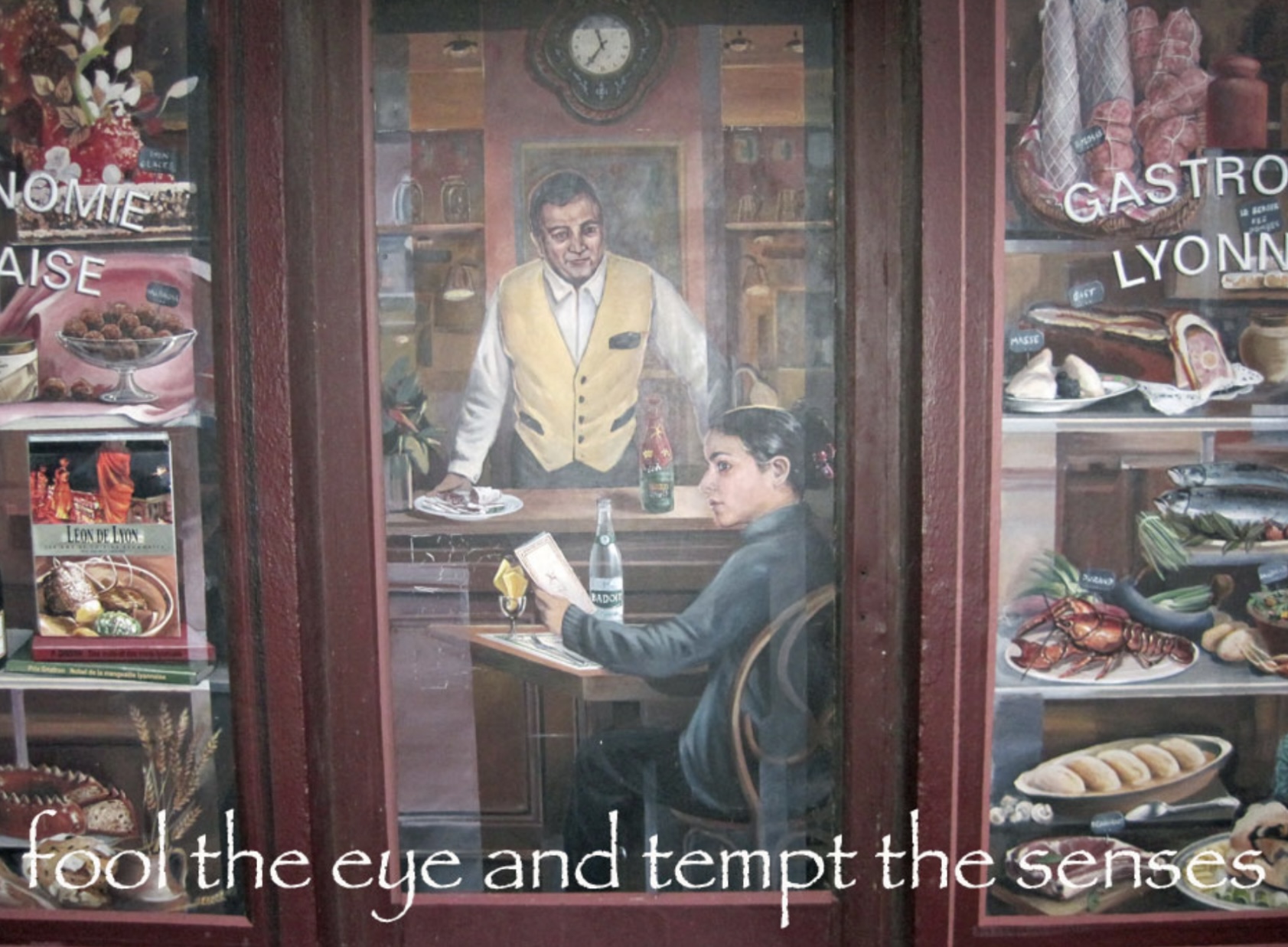 You might also be interested in “The Art of Trickery”: The brain picks up visual cues that are recognizable, instantly fitting them into familiar patterns. In a flash, it issues a report about what’s going on. The brain fills in the blanks. This form of trickery is harmless and quite entertaining as you will see, a thing of beauty.
Music
Here’s a song called “The Pusher,” about a different form of trickery—when a cleverly furbo individual loses their balance, they can become an overt bully instead. It’s a slippery slope!
 Quality time is undeniably great for relationships. We've discovered that quantity of time can provide that quality. Perhaps it takes Time to Partner.
 Uncommon promise